Protecting What Lies Beneath: The Role of Private Gas Line Locators
Every year, underground gas lines are accidentally struck by contractors or homeowners, leading to dangerous leaks, emergency repairs, and project delays. While 811 services cover public utilities, private gas line locators fill the critical gap in locating gas infrastructure that isn’t recorded by public utility databases. These lines may include service lines running from meters to buildings, gas for outdoor grills, or pipelines installed in private developments.
Private Utility Locating vs. Public 811 Services
Calling 811 before you dig is legally required in most states, but many people don’t realize that the service only marks publicly owned utilities. Private lines—those owned by property owners or businesses—are often left unmarked, creating serious risks during excavation.
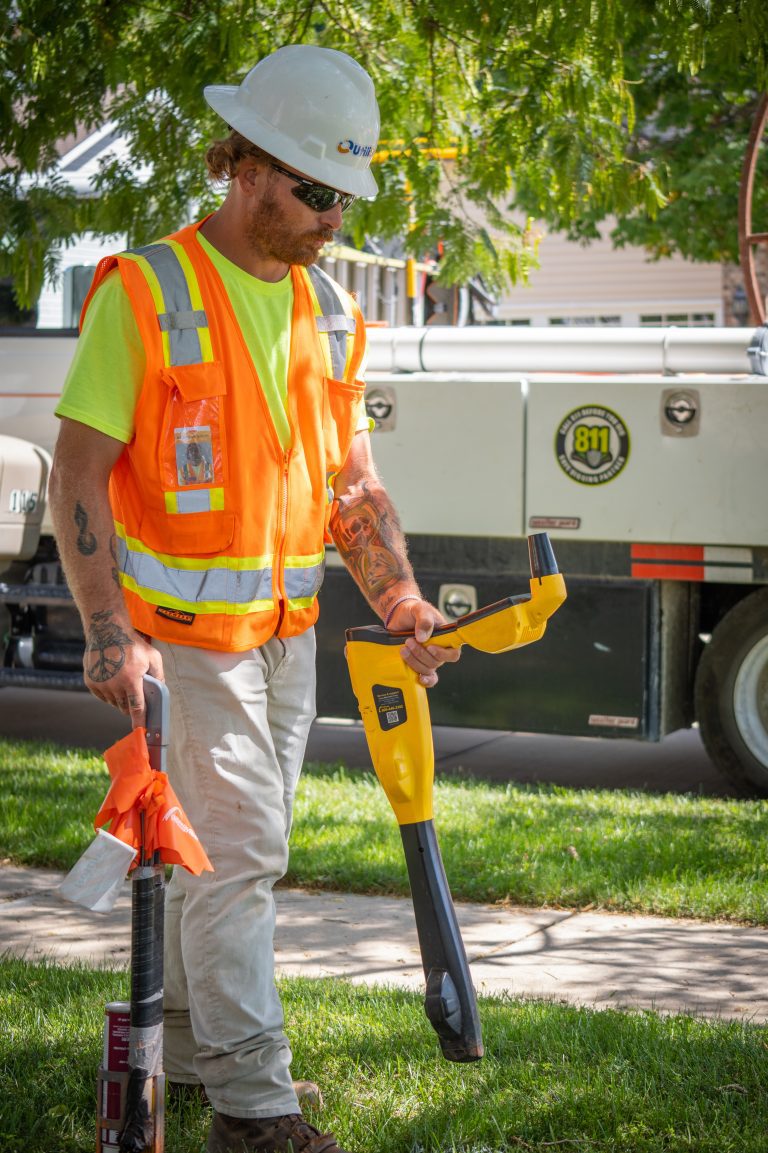
This is where private gas line locators come in. They use advanced detection methods to identify and mark underground gas pipes not covered by 811 services. This includes both natural gas pipe systems and propane lines, whether they’re installed for heating, backup generators, or industrial operations.
How Private Gas Line Locating Works
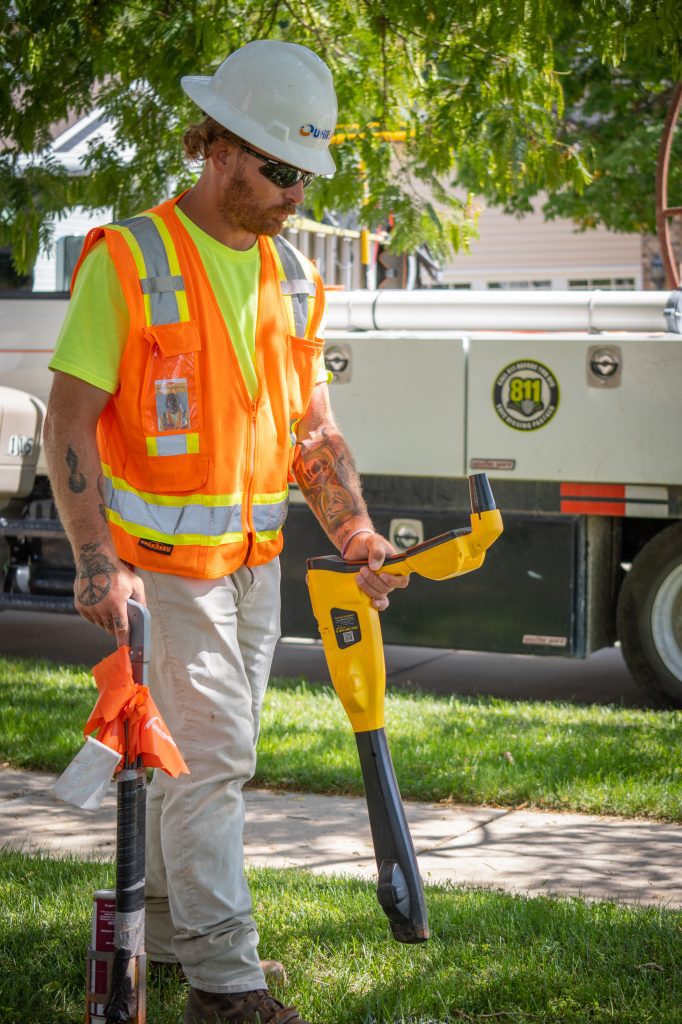
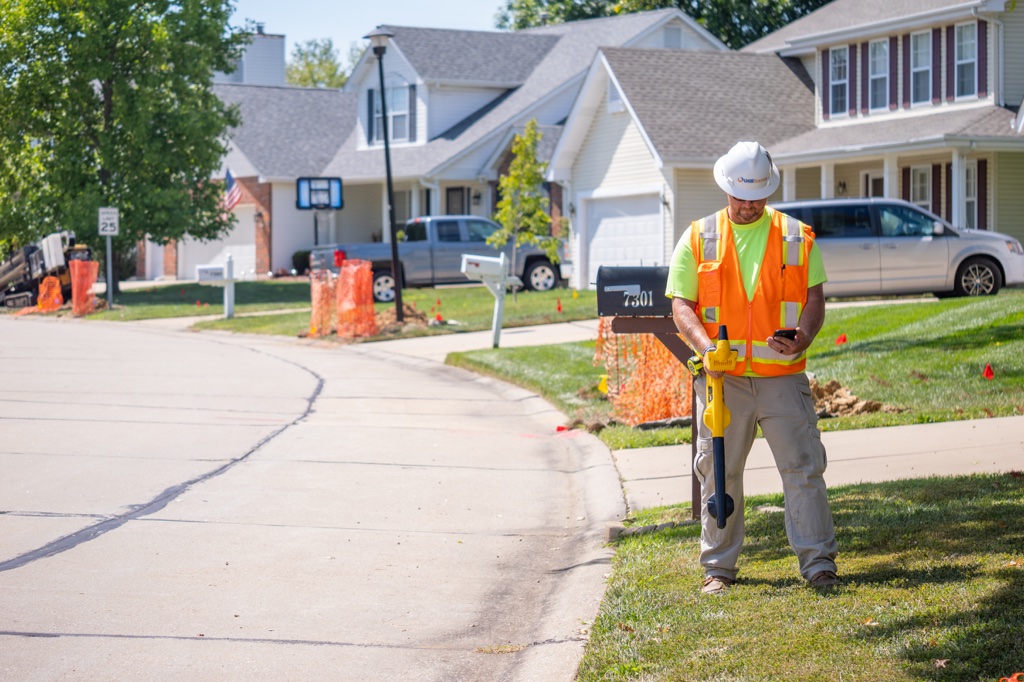
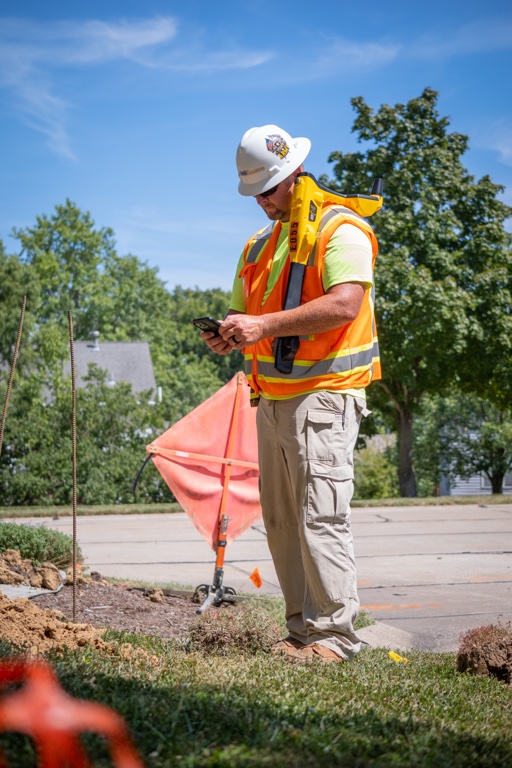
Professional utility locators rely on multiple technologies to detect buried gas lines:
- Electromagnetic detection helps locate metallic pipes.
- Ground penetrating radar (GPR) can detect non-metallic gas pipes or those encased in plastic.
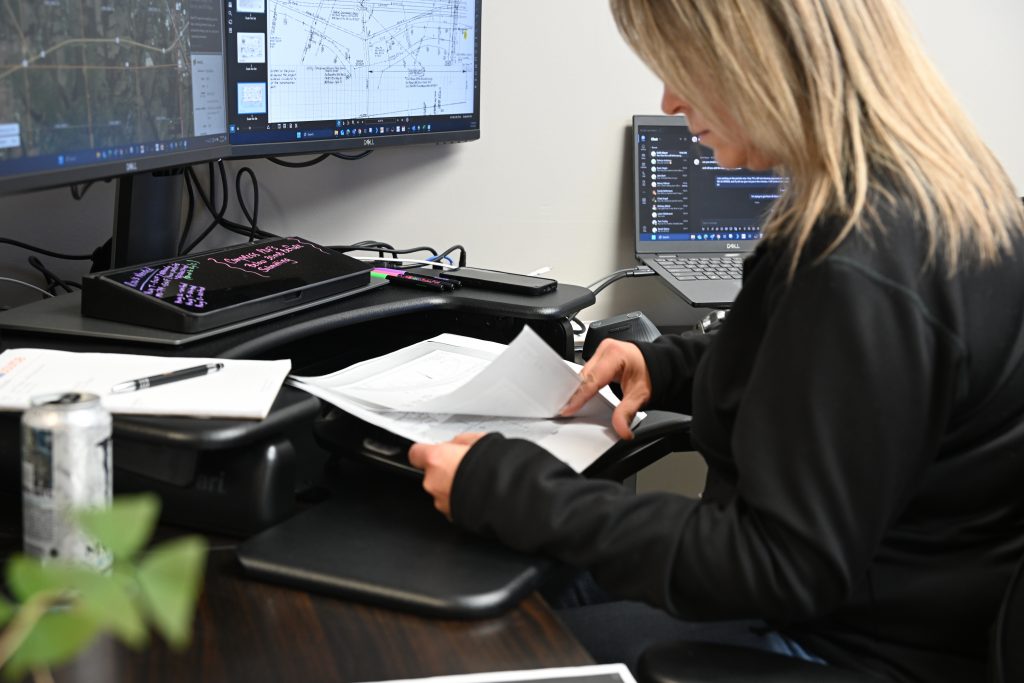
- Utility maps and historical records guide technicians to potential private installations.
Private gas line locating often goes hand in hand with pipeline integrity assessments to ensure the lines are in good condition, especially when older systems are involved or prior documentation is incomplete.
Why Private Gas Line Locating Matters
The risk of hitting an unmarked gas line isn’t just financial—it’s a serious safety issue. Gas leaks can cause explosions, fires, or toxic exposure. Even a small misstep during trenching or boring can cause thousands of dollars in repairs or liability. With construction projects becoming more complex and infrastructure aging, investing in proper gas line detection is no longer optional.
UtiliSource’s Role in Gas Line Locating and Mapping
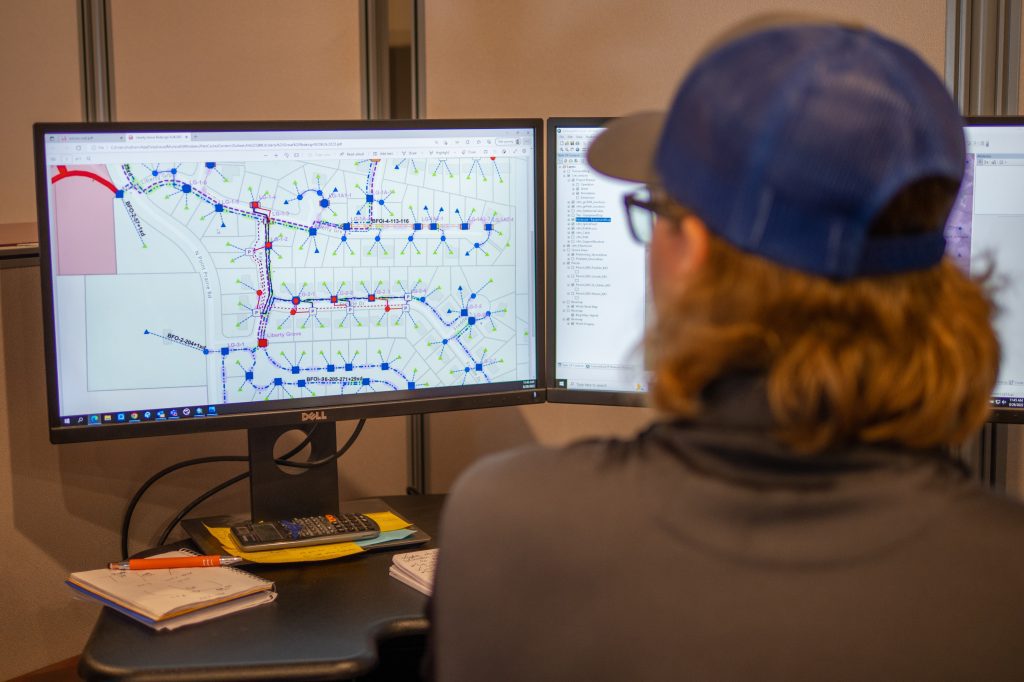
UtiliSource partners with cities, contractors, and utility providers to reduce risk and improve accuracy in utility projects. Our teams support underground gas pipe locating with the latest technology and GIS-enabled mapping tools that ensure every gas line—public or private—is accounted for.
We assist municipalities in:
- Reducing unnecessary utility locate tickets by providing verified maps and clear field data
- Improving safety on public works projects through pre-construction utility investigations
- Integrating private utility data into long-term city planning and asset management systems
Our process ensures not only accurate detection of buried gas infrastructure, but also the documentation and organization of this data for future projects.
Conclusion
Private gas line locators are an essential part of modern infrastructure safety. From residential neighborhoods to large-scale city projects, knowing where every pipe is—public or private—is crucial. UtiliSource brings precision, experience, and digital tools to every job, helping cities avoid costly digging mistakes and keep their infrastructure running safely and efficiently