Electrical systems can seem complex, but understanding a few key parts makes them easier to manage. One of those parts is the electrical feeder—a critical link in how power gets from its source to the places that need it.
An electrical feeder is a set of wires that carries power from a main service panel to distribution points like circuit breakers, transformers, or substations. Unlike branch circuits that connect to outlets or lights, feeders move larger amounts of electricity over longer distances.
How Electrical Feeders Work
In any utility or building electrical system, electricity starts at a source like a power plant or substation. From there, it travels through a system of cables and transformers to reach homes, offices, or industrial buildings. The electrical feeder sits between the source and the smaller circuits inside a structure.
Feeder cables are thicker and built to handle higher voltage. This allows them to carry large amounts of electricity safely and efficiently. Once power reaches the distribution panel, it is then divided into branch circuits that supply individual parts of a building or utility network.
Common Types of Electrical Feeders
There are a few different types of feeders depending on the system design:
- Underground electrical feeders: Buried cables that supply power in areas where overhead lines are impractical.
- Overhead feeders: Often found in rural or industrial settings where aerial lines are easier to install.
- Substation feeders: Connect a main substation to smaller transformers or distribution panels in a utility grid.
Each type has its own installation methods, safety rules, and maintenance needs. Utility professionals select the right feeder based on distance, load, weather conditions, and infrastructure layout.
Why Electrical Feeders Matter in Utility Projects
For cities, developers, and utility companies, understanding feeders is essential. These systems are responsible for maintaining power flow, voltage levels, and service reliability. If feeders are not designed or installed properly, it can lead to power loss, overheating, or system failure.
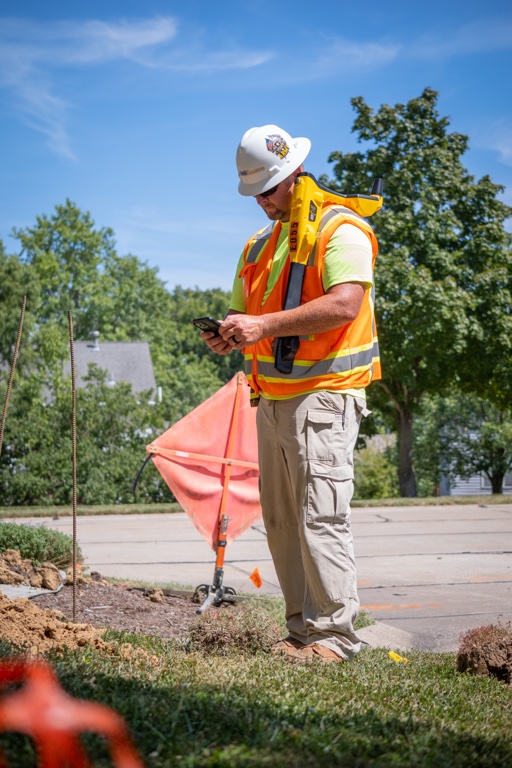
Feeder systems must also be mapped and tracked to avoid accidents during excavation. Knowing where underground feeders are located can prevent damage during construction or repairs.
Utilisource and Electrical Feeder Services
At Utilisource, feeders are a key part of our utility design and mapping services. We work with municipalities, developers, and utility providers to ensure electrical feeders are installed, located, and maintained accurately.
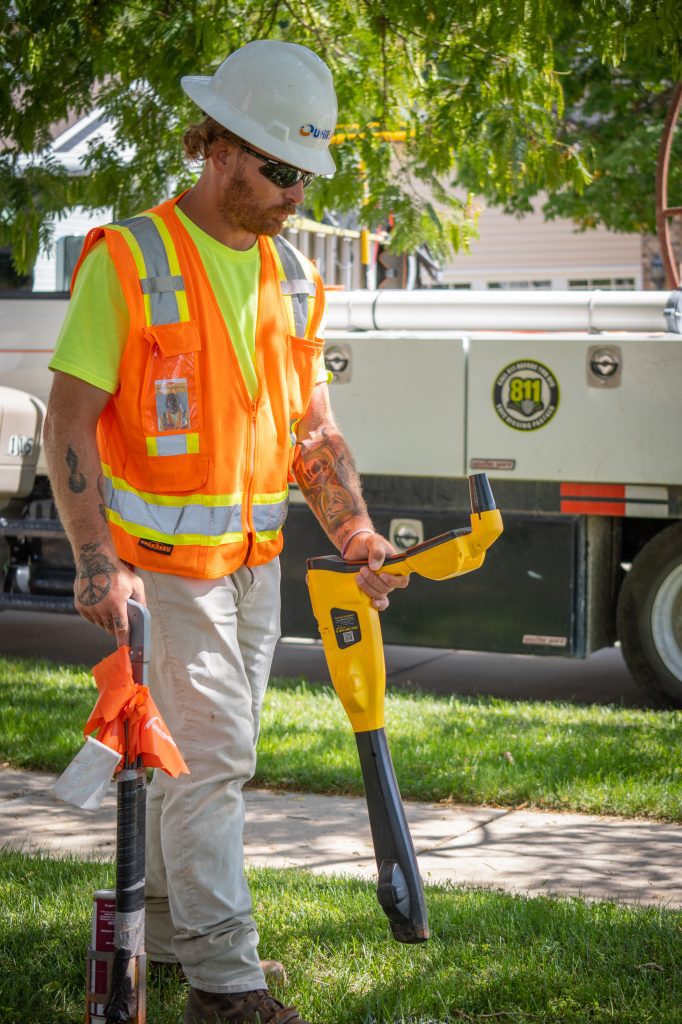
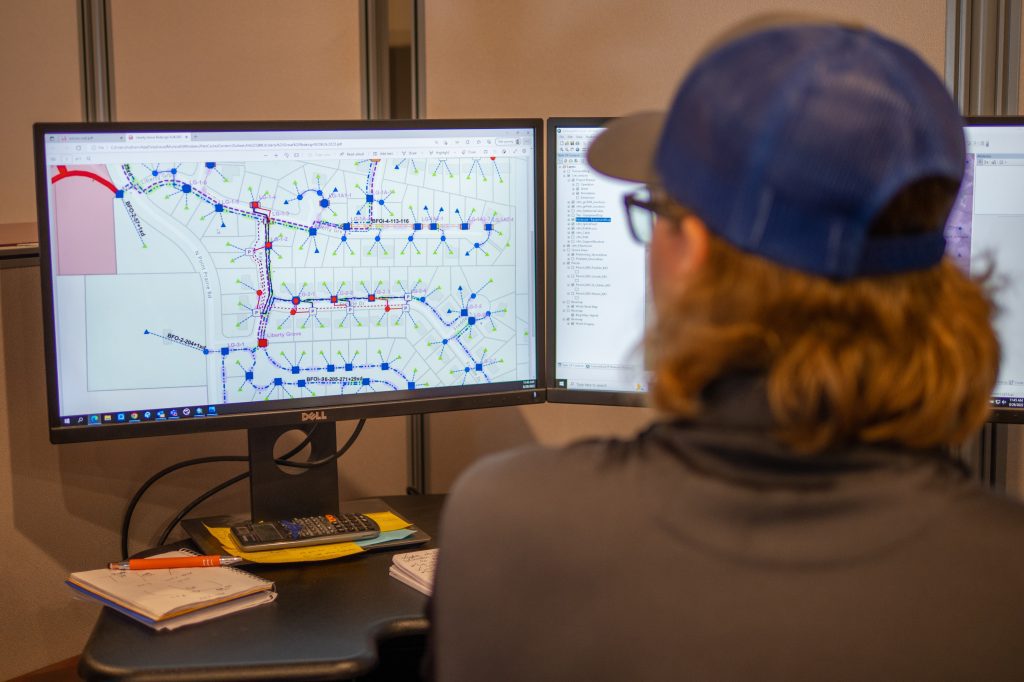
Our team uses GIS mapping, ground penetrating radar, and utility asset management software to track and analyze feeder systems. Whether planning a new development or updating an aging grid, we make sure feeders are aligned with code, safety regulations, and operational needs.
We also support field inspections, subsurface utility mapping, and network infrastructure design to help keep feeders functioning properly over time.
Conclusion
Electrical feeders may be out of sight, but they are never out of importance. These high-capacity lines are the backbone of electrical distribution, ensuring safe and consistent power delivery. With expert planning and advanced mapping tools, Utilisource helps cities and utility companies build and maintain electrical feeder systems that are built to last.