Field inspection is a critical part of any construction, utility, or infrastructure project. It involves physically going out to a site to verify that the work matches plans, regulations, and safety standards. For utility mapping, installation, or repair, field inspection helps identify risks, confirm accuracy, and ensure that assets are being managed and documented correctly.
Understanding Field Inspection in the Utility Sector
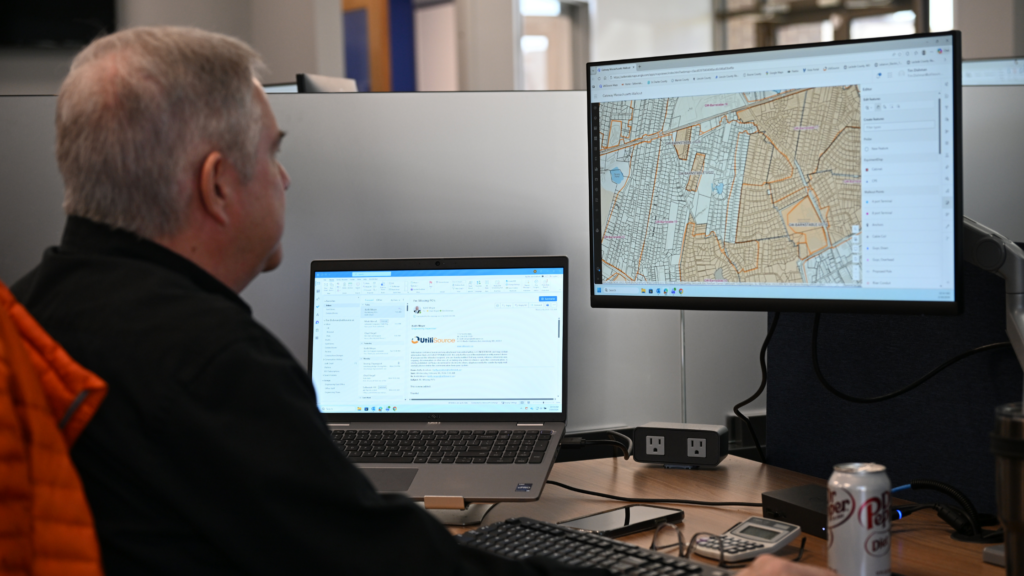
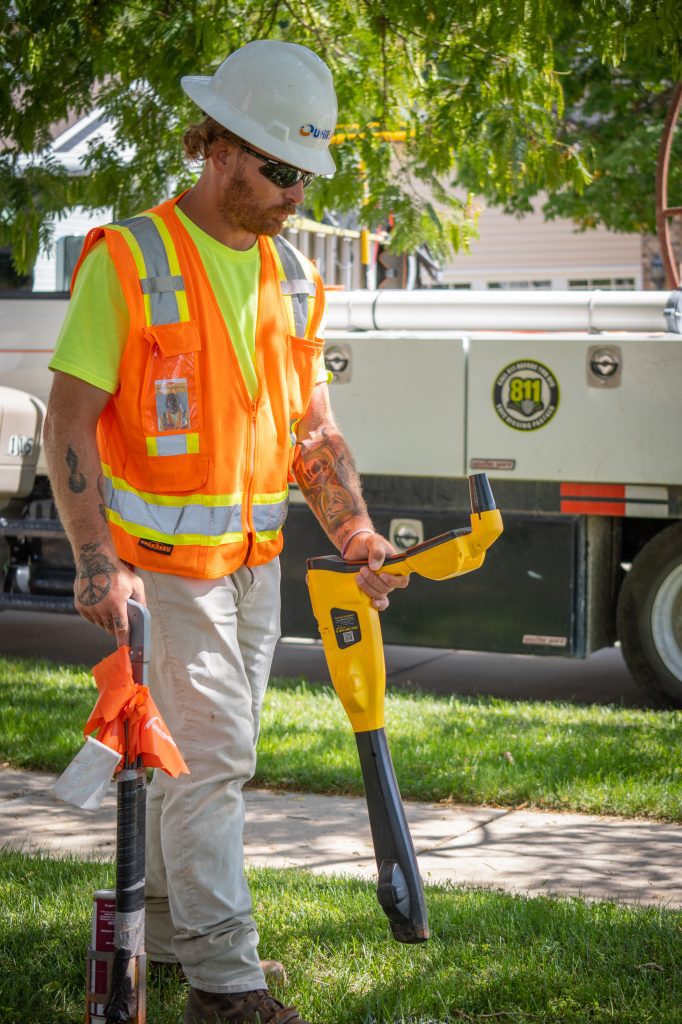
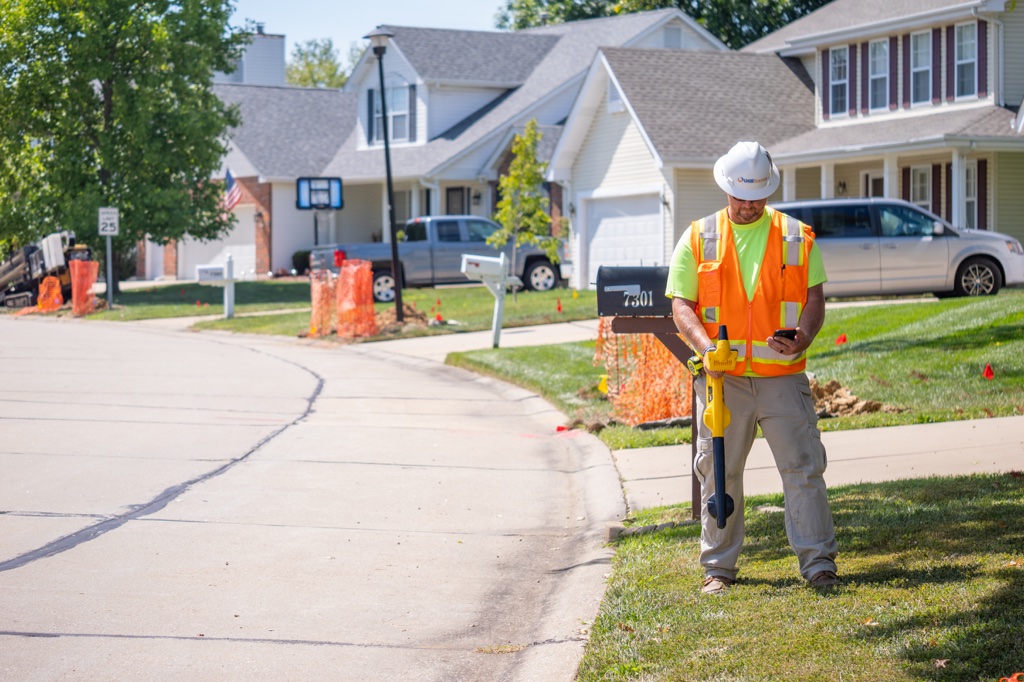
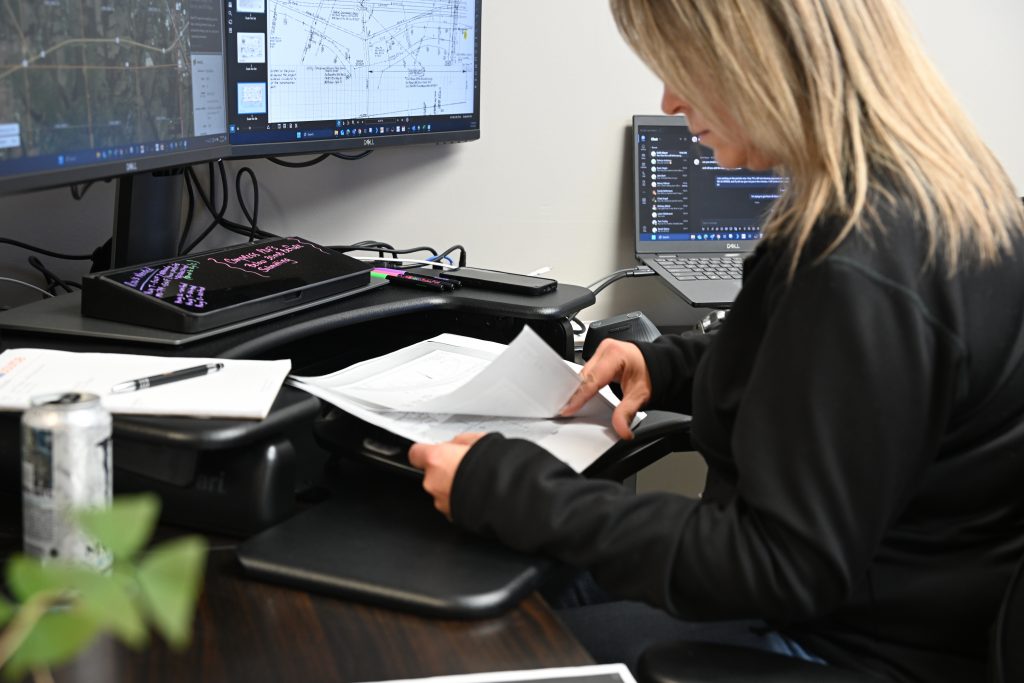
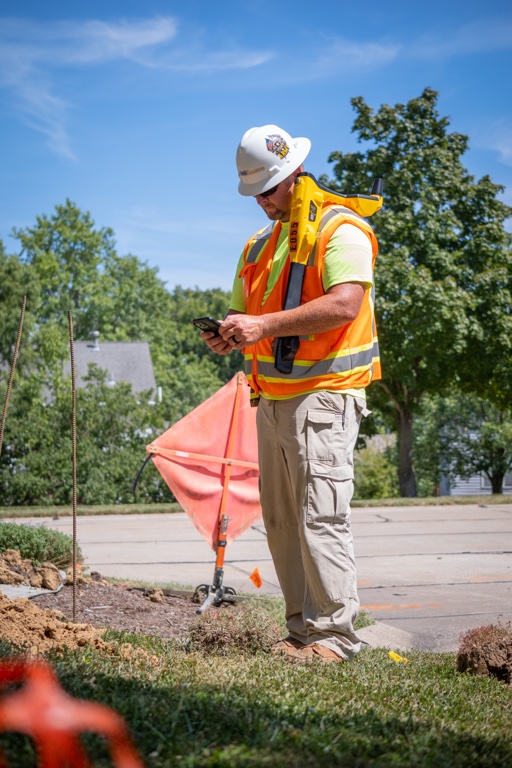
When people ask, “What is field inspection?” in the context of utility work, the answer goes far beyond just checking off a list. Field inspections allow teams to assess real-world site conditions, verify that underground utilities are correctly marked or located, and identify issues before they become expensive mistakes. Inspectors collect data on infrastructure like water lines, power cables, gas pipes, and fiber networks. They might use tools like GPS receivers, tablets, cameras, and inspection software to record everything.
This type of inspection is important before, during, and after construction. Before construction, it helps confirm design assumptions. During a project, it keeps crews safe and ensures quality work. After the job is done, field inspections help create accurate utility maps and support long-term asset management.
Why Field Inspection Is Essential for Utility Companies
Utility companies and municipal teams rely on field inspections to avoid problems such as utility strikes, service disruptions, and compliance violations. Without a clear picture of what’s on the ground, teams risk digging into unknown infrastructure or installing lines in the wrong place.
For example, a contractor might need to verify that a gas line has been buried at the correct depth before covering it. Or, a project manager may require confirmation that a new fiber optic line has been properly placed and documented in the system. These checks help prevent rework and reduce long-term liability.
How Utilisource Supports Field Inspection Projects
At Utilisource, field inspection is more than a checklist—it’s the foundation of data accuracy and project success. Our experienced field teams combine technology with local expertise to gather real-time information, whether it’s a basic utility locate or a full-scale infrastructure audit.
Our field inspections typically include:
- Verifying existing utility locations using GPS and ground-penetrating radar
- Capturing as-built data for electric, gas, water, and fiber networks
- Documenting field conditions and contractor work
- Confirming safety standards and regulations are being followed
- Feeding field-collected data into GIS and asset management systems
Utilisource’s inspection services support both public and private sector projects, helping clients make better decisions and reduce delays. We don’t just inspect—we use that data to power mapping, compliance, engineering, and long-term utility planning.
Benefits of Accurate Field Inspections
Accurate inspections reduce project risk, improve design quality, and support regulatory compliance. By identifying problems early, they help teams save time and money. Some of the biggest benefits include:
- Reduced change orders and rework
- Better utility coordination and planning
- Increased jobsite safety
- Stronger documentation for future maintenance
- Reliable data for asset management systems
These inspections also support coordination between locators, contractors, engineers, and project managers—especially when dealing with complex underground utility systems.
Field Inspection and the Future of Infrastructure
As utilities age and cities grow, the need for clear, up-to-date field data becomes more urgent. Technology like GIS mapping, mobile inspection tools, and cloud-based data systems are making field inspections faster and more precise.
However, tools are only as good as the people using them. Field inspection still requires trained professionals who know what to look for, how to record it, and how to integrate that data with larger project goals. That’s where Utilisource continues to lead.
Conclusion
Field inspection is one of the most important parts of any utility project. It connects what’s on paper to what’s actually in the ground. For cities, utility companies, and private developers, field inspections help avoid costly errors, ensure public safety, and keep data accurate for years to come. With Utilisource, field inspection becomes a powerful tool for smarter planning and safer construction.