Infrastructure projects rarely fail because crews suddenly forget how to build. More often, projects begin to break down long before construction ever starts.
By the time a field crew arrives on-site, many of the conditions that determine whether a project runs smoothly have already been established. Incomplete records, disconnected communication, outdated mapping, unrealistic assumptions, and lack of coordination can quietly create risk months before the first piece of equipment mobilizes.
The challenge is that many of these issues remain hidden until construction exposes them in real time.
For utilities, municipalities, broadband providers, and infrastructure stakeholders, construction readiness is not simply about having permits approved or materials ordered. It is about making sure planning, engineering, GIS data, field realities, and coordination efforts are aligned before crews enter the field.
At UtiliSource, the focus is on helping customers reduce uncertainty before construction begins by improving visibility, coordination, and decision-making across the project lifecycle.
Hidden Risks Often Exist Before Mobilization
Many infrastructure projects appear ready on paper.
The schedule may be approved. Engineering may be complete. Stakeholders may feel aligned. Yet once construction begins, teams suddenly encounter utility conflicts, inaccessible routes, inaccurate records, missing infrastructure data, or communication breakdowns between departments.
These problems often stem from assumptions made during planning.
Examples can include:
- Existing utility records that were never field verified
- GIS datasets that do not reflect current conditions
- Engineering designs developed without updated field information
- Stakeholders operating from different versions of project data
- Limited communication between office planning teams and field personnel
- Incomplete visibility into underground conditions
The earlier these issues are identified, the less disruptive they become.
When they are not identified until construction starts, they can create schedule delays, rework, cost increases, public frustration, and strained stakeholder relationships.
Why Assumptions Create Field Failures
Infrastructure projects involve many moving parts. Engineering teams, GIS specialists, utility owners, project managers, contractors, municipalities, and field crews all contribute information throughout the project lifecycle.
Problems emerge when assumptions replace verification.
For example, a utility line may appear correctly mapped in office records but may exist several feet away in the field. A route that seemed clear during planning may present unexpected conflicts once excavation begins. A project schedule may assume all stakeholders are aligned, even though field teams lack critical updates.
These issues are rarely caused by one major mistake. More often, they result from small gaps compounding over time.
That is why construction readiness depends heavily on validating information before mobilization rather than reacting after problems appear.
Engineering, GIS, and Coordination Must Work Together
Successful infrastructure execution requires more than isolated planning efforts.
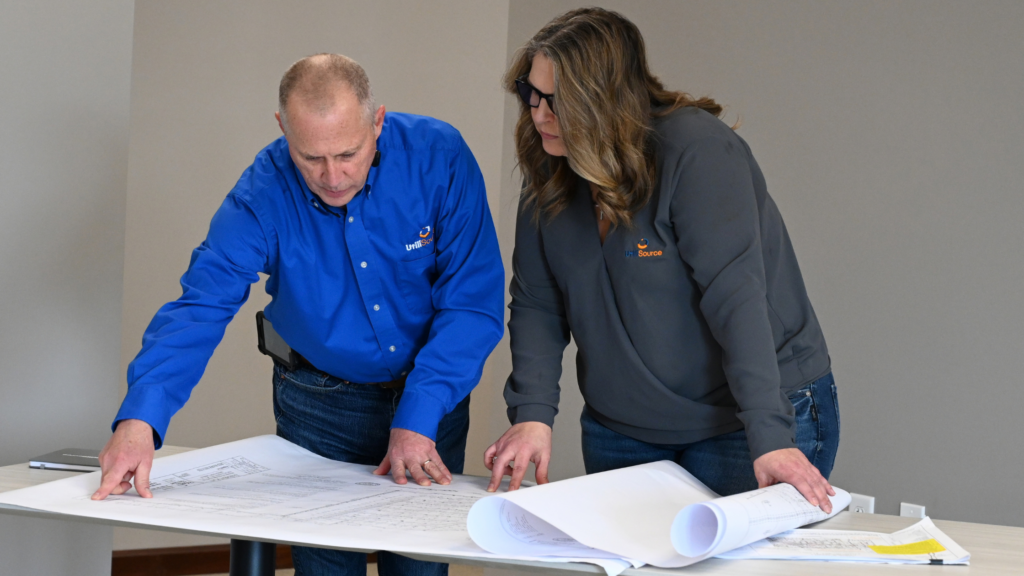
Engineering, GIS, utility coordination, and field operations must operate as connected systems rather than separate workflows.
Engineering provides the framework for how infrastructure should be built.
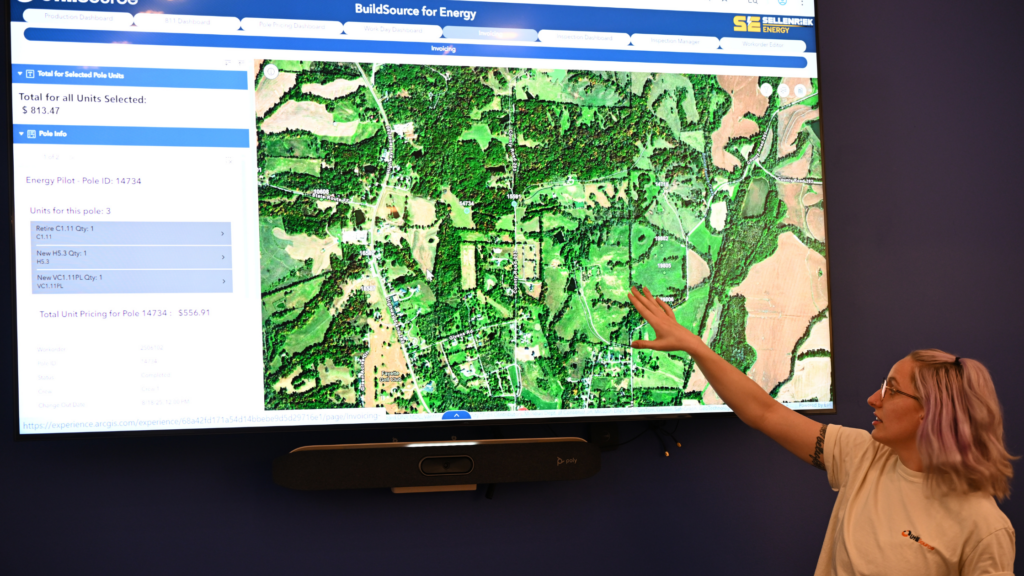
GIS provides visibility into where infrastructure exists and how project conditions interact spatially.
Utility coordination helps identify conflicts, align stakeholders, and reduce disruption before construction begins.
When these functions are disconnected, teams often lose visibility between planning and execution.
When they are aligned, projects gain:
- Better visibility into underground conditions
- Improved decision-making
- Reduced field surprises
- Stronger schedule confidence
- Faster issue resolution
- Better communication between departments and stakeholders
UtiliSource positions GIS and mapping not simply as technical tools, but as planning and operational visibility systems that help organizations make faster and more informed decisions before construction begins.
Through services like GIS Services, Engineering Support, and Utility Coordination, the goal is to help bridge the gap between office planning and field execution.
Communication Gaps Between Office and Field Create Risk
One of the most common infrastructure challenges is the disconnect between what exists on paper and what exists in the field.
Office teams may believe a project is ready for construction, while field crews quickly discover conditions that require redesigns, rerouting, or coordination changes.
This disconnect can happen when:
- Field updates are not reflected in GIS systems.
- Stakeholders are working from outdated information.
- Communication workflows are inconsistent.
- Reporting lacks real-time visibility.
- Critical information remains siloed between departments.
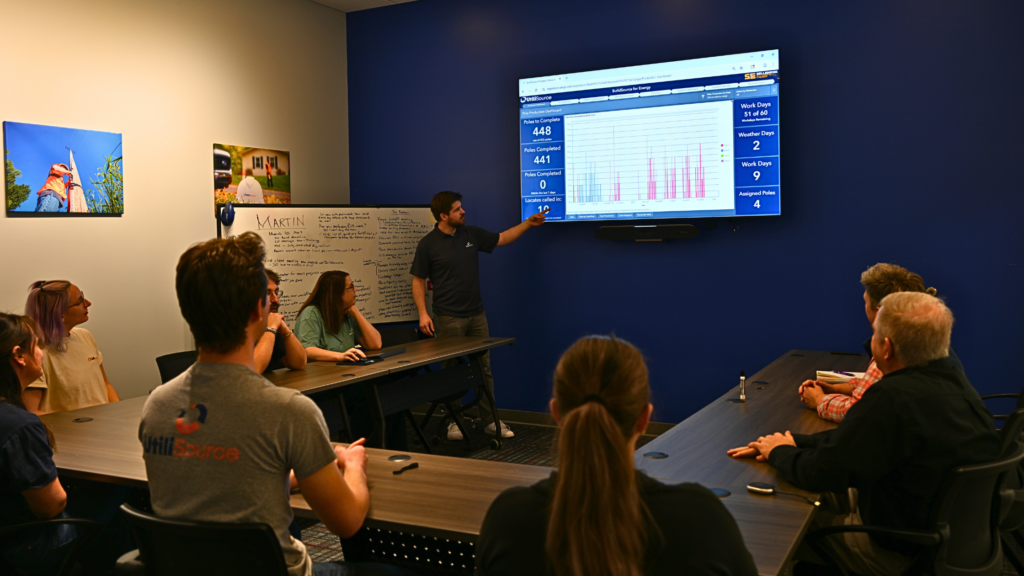
Construction readiness improves when communication systems allow information to move clearly between planning teams, leadership, and field personnel.
That visibility becomes especially important on large infrastructure programs involving multiple contractors, municipalities, utility owners, or broadband providers.
Without consistent communication, even well-designed projects can encounter avoidable delays once field work begins.
Construction-Ready Planning Reduces Field Disruption
Construction-ready planning means projects are evaluated through the lens of execution, not just design completion.
This includes asking questions such as:
- Has field data been verified recently?
- Are GIS records aligned with current conditions?
- Have utility conflicts been identified?
- Are stakeholders operating from the same information?
- Have field realities been incorporated into planning decisions?
- Is reporting structured in a way that improves visibility during execution?
The goal is not perfection. Infrastructure work is inherently complex.
The goal is to reduce preventable surprises before mobilization.
At UtiliSource, this proactive mindset extends into services like Damage Prevention, where field verification, utility visibility, and documentation support safer and more informed project execution.
The company’s broader approach emphasizes practical systems that improve coordination, visibility, and long-term infrastructure management rather than simply generating more data.
Risk Reduction Begins Before Crews Mobilize
Many organizations focus heavily on solving problems during construction.
The stronger approach is reducing the likelihood of those problems before crews ever arrive on-site.
Pre-construction planning helps reduce risk by:
- Identifying conflicts earlier
- Improving stakeholder alignment
- Increasing schedule confidence
- Supporting safer excavation and construction activity
- Improving communication between office and field teams
- Creating clearer visibility into infrastructure conditions
This proactive approach becomes increasingly valuable as infrastructure projects grow more complex and timelines become more compressed.
Whether supporting utilities, municipalities, or broadband providers, reducing uncertainty before mobilization can significantly improve project outcomes.
Conclusion
The most expensive infrastructure problems are often the ones teams do not discover until construction begins.
By that point, schedules tighten, crews are mobilized, and small planning gaps can quickly become operational challenges.
Construction readiness is ultimately about alignment.
When engineering, GIS, utility coordination, field verification, and communication systems work together, projects gain the visibility and clarity needed to reduce risk before construction starts.
For organizations managing complex infrastructure work, proactive planning is not simply a process improvement. It is a critical part of executing projects safely, efficiently, and with greater long-term confidence.
Construction readiness refers to the process of ensuring a project is prepared for successful field execution before crews mobilize. This includes validating engineering plans, verifying GIS and field data, coordinating utilities, aligning stakeholders, and reducing operational risks ahead of construction activity.
Utility conflicts often occur when existing records are incomplete, outdated, or not field-verified prior to excavation or construction. Communication gaps between engineering, GIS, contractors, and field teams can also contribute to unexpected conflicts during active work.
Pre-construction coordination helps identify risks, utility conflicts, scheduling concerns, and communication gaps earlier in the project lifecycle. Resolving these issues before mobilization reduces rework, improves decision-making, and minimizes disruptions once construction begins.
Engineering and GIS work together by combining infrastructure design with spatial visibility and field data. GIS helps provide geographic context, infrastructure mapping, and visualization that support engineering planning and decision-making.
In many cases, yes. Utilities can often improve visibility and coordination by enhancing existing workflows, improving data accuracy, integrating field verification processes, and creating better communication between departments without fully replacing current systems.
Field data helps validate real-world conditions before construction begins. Accurate field information improves engineering decisions, supports GIS accuracy, reduces utility conflicts, and helps projects move into execution with greater confidence.