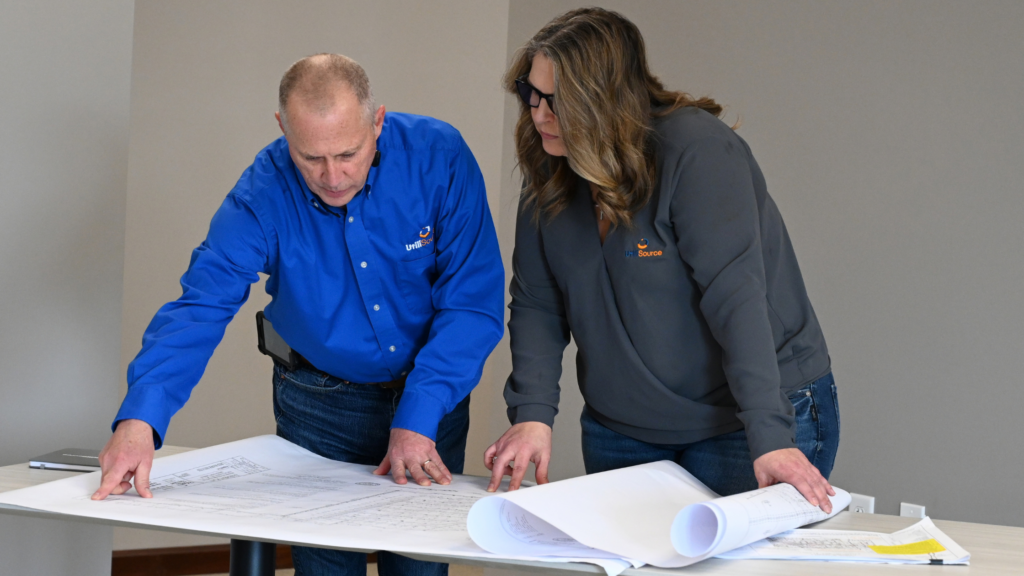
Infrastructure projects are often discussed in technical terms.
Miles of fiber. Pole attachments. Permitting status. Utility conflicts. GIS layers. Field updates. Construction milestones. Budget tracking. Engineering revisions. Contractor schedules.
All of that information matters. But for board members and cooperative leadership, the real question is usually much simpler:
What do we need to know to make confident decisions?
Board members are responsible for understanding the health, risk, and direction of major infrastructure investments. They may not need every operational detail, but they do need enough visibility to understand whether a project is moving forward as expected, where issues are emerging, and what decisions may be needed to keep the work on track.
That is where real-time project visibility becomes more than a reporting tool. It becomes a leadership tool.
For cooperatives, utilities, municipalities, and infrastructure teams, better visibility helps close the gap between what is happening in the field and what leadership needs to understand at the board level.
The Reporting Gap
Many infrastructure projects generate a lot of information.
The problem is not always a lack of data. More often, the problem is that the data is scattered, delayed, too technical, or difficult to translate into a clear project story.
Field teams may know where progress is happening. Project managers may know which issues need attention. GIS teams may have valuable mapping information. Engineers may understand where revisions or constraints exist. But by the time that information reaches leadership, it can lose context.
That creates a reporting gap.
A project may be moving, but leadership may not have a clear view of how far it has actually progressed. A risk may be known in the field, but not elevated soon enough for decision-makers to respond. A schedule may look fine in a static report, while field realities are already beginning to put pressure on the timeline.
For board members, this can create frustration. They are expected to provide oversight and make informed decisions, but the information they receive may not clearly answer the questions they are actually asking.
Effective reporting should not simply document activity. It should help leadership understand project status, project risk, and project direction.
Questions Leadership Actually Asks
Board members do not need to manage every detail of an infrastructure project. But they do need confidence that the right work is being done, the right issues are being surfaced, and the right people have the information they need.
Most leadership questions come back to a few core areas.
Are We on Schedule?
Schedule confidence is one of the first things board members want to understand.
They want to know whether the project is progressing as expected, whether major milestones are being met, and whether any known issues could affect completion. A simple “yes” or “no” is rarely enough.
Leadership needs to understand what progress has been made, what work is coming next, and whether any delays are isolated or part of a larger trend.
For example, a project may still appear on schedule overall, but permitting delays, utility conflicts, weather conditions, engineering revisions, or field access issues may be creating pressure in certain areas. Those details matter because they help leadership understand whether the project is stable or whether action may be needed soon.
Good visibility helps answer:
- What milestones have been completed?
- What work is currently active?
- What areas are falling behind?
- What issues could affect the schedule if they are not addressed?
When schedule updates are connected to field data, mapping, and project documentation, leadership can see more than a percentage complete. They can understand what that progress actually means.
Are We on Budget?
Budget questions are not just about total cost. They are about whether the project is staying aligned with expectations.
Board members want to understand whether spending is tracking with progress, whether changes are creating cost pressure, and whether there are emerging issues that could affect the financial picture.
Traditional reports may provide high-level budget numbers, but leadership often needs more context. If costs are increasing, why? Is the increase tied to scope changes, field conditions, delayed decisions, rework, or outside factors?
A stronger reporting process connects budget conversations to the operational realities behind them.
Good visibility helps leadership understand:
- Whether budget and progress are aligned
- Where unexpected costs may be developing
- Which risks could create future cost impacts
- Whether decisions are needed to prevent avoidable expense
For cooperative leadership, this is especially important because infrastructure investments are often tied to long-term member value, funding timelines, and community needs. Board members need to know that resources are being managed carefully and that project teams are identifying financial risks before they become larger problems.
What Risks Exist?
Risk is one of the most important things leadership needs to understand, but it is also one of the easiest things to underreport.
A project update that only focuses on completed work may sound positive while leaving out the issues that could affect the next phase of the project. Board members do not need every minor field note, but they do need visibility into meaningful risks.
Those risks may include:
- Utility conflicts
- Permitting delays
- Engineering changes
- Incomplete or outdated records
- Access issues
- Weather-related interruptions
- Field conditions that differ from expectations
- Communication gaps between teams
- Documentation issues
- Schedule pressure in specific project areas
The goal is not to make every update sound alarming. The goal is to make risk visible enough that leadership can understand it, discuss it, and support timely decisions when needed.
Clear reporting builds trust because it shows that the project team is not hiding complexity. It shows that risks are being tracked, communicated, and managed.
What Decisions Are Needed?
One of the most valuable things a project report can do is clarify what leadership needs to decide.
Too often, reports focus on what has already happened but do not clearly identify where direction, approval, or support is needed. That can slow down projects, especially when decisions are tied to schedule, budget, scope, or stakeholder coordination.
Board members may need to understand:
- Whether a change in scope needs approval
- Whether a delay requires expectation-setting with members or stakeholders
- Whether additional resources are needed
- Whether project priorities should shift
- Whether a risk needs to be escalated
- Whether leadership needs to support communication with partners or communities
Effective visibility turns project data into decision-ready information. It helps leadership move from passive updates to informed action.
Why Traditional Reporting Falls Short
Traditional reporting often depends on static documents, spreadsheets, email updates, and periodic summaries.
Those tools can still have a place, but they often fall short on infrastructure projects because the work changes quickly. Field conditions shift. Crews move. Permits progress or stall. Utility conflicts appear. Construction schedules change. Engineering adjustments happen. Stakeholders ask for updates.
When reporting is too delayed or disconnected from field activity, leadership may be looking at information that is already outdated.
Traditional reporting can also create too much noise. A long spreadsheet or technical report may contain useful information, but it may not clearly show what matters most to decision-makers. Board members should not have to search through disconnected details to understand whether a project is healthy.
The issue is not that traditional reports are useless. The issue is that they are often not built around the way leadership makes decisions.
Board-level reporting should be clear, current, and focused on the questions that matter most:
- Where are we now?
- What changed?
- What is at risk?
- What decisions are needed?
- What happens next?
Without that clarity, reporting becomes documentation instead of direction.
What Effective Visibility Looks Like
Effective project visibility gives leadership a clear view of progress, risk, and next steps without overwhelming them with unnecessary detail.
For infrastructure projects, that visibility often comes from connecting field information, GIS data, project milestones, and dashboard reporting into one more usable view.
A strong visibility system should help leadership see:
- Current project status
- Progress by area, phase, or milestone
- Field activity and completed work
- Known risks or constraints
- Documentation tied to specific locations
- Upcoming priorities
- Items requiring leadership attention
- Project trends over time
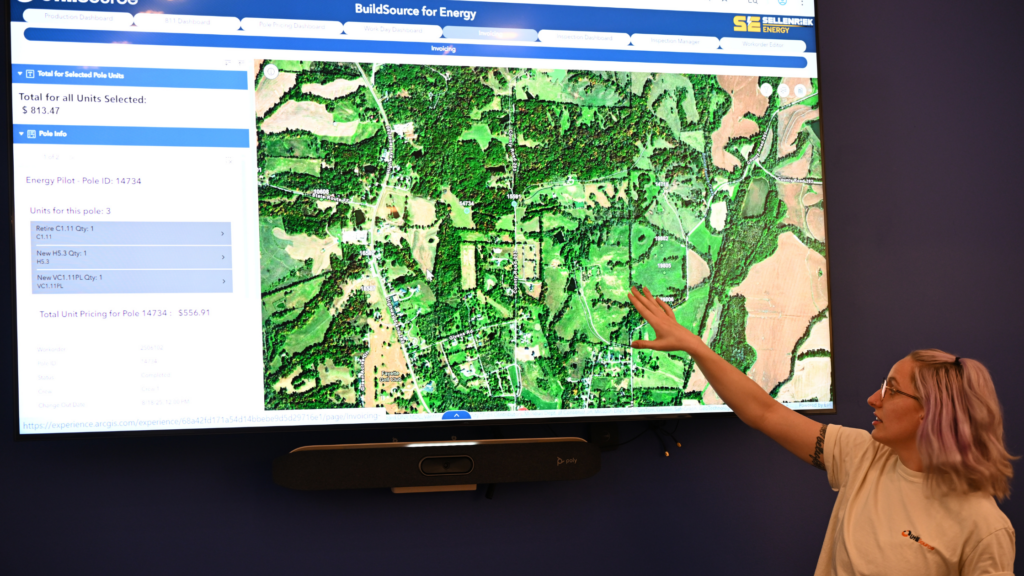
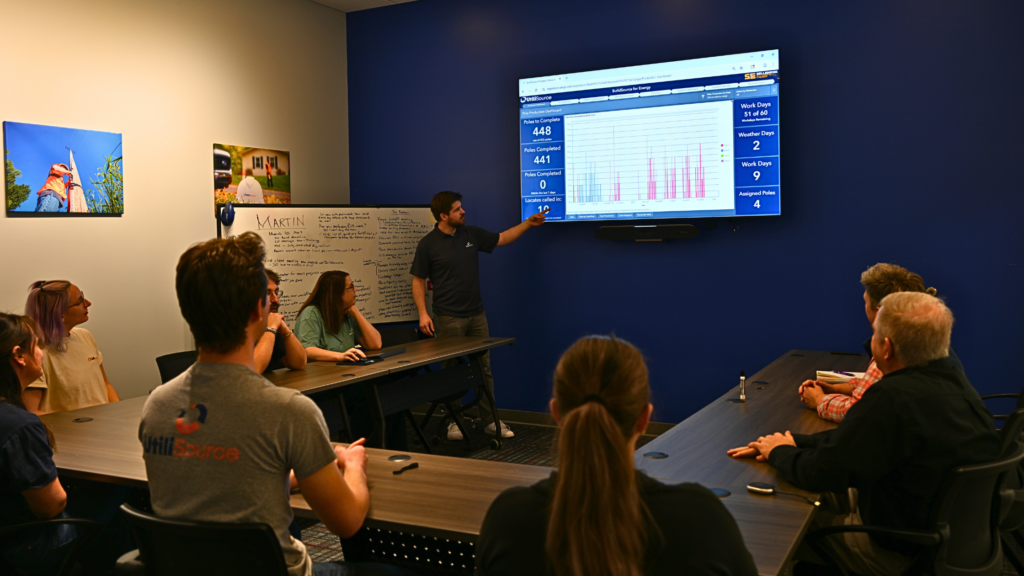
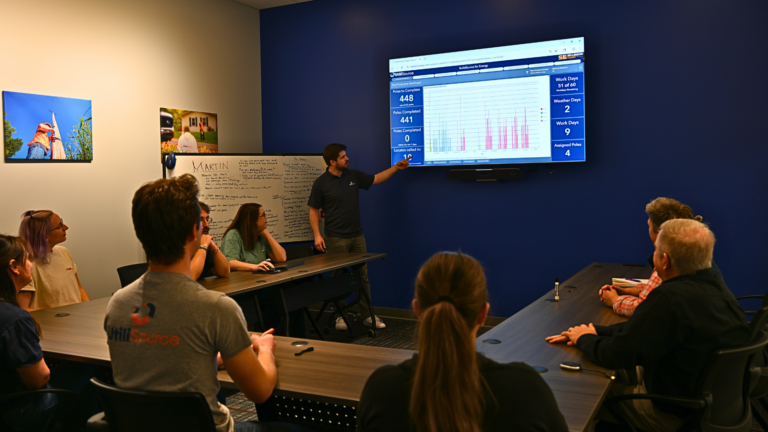
This is especially valuable for cooperatives and utilities because many projects cover large service areas, multiple stakeholders, and many moving parts. A dashboard can help leadership understand the project at a high level while still allowing project teams to drill into details when needed.
The best dashboards are not just digital versions of a spreadsheet. They organize information in a way that supports understanding.
They help make complex work easier to see.
Conclusion
Board members do not need every technical detail of an infrastructure project.
They need clear answers.
They need to know whether the project is on schedule, whether the budget is being protected, what risks are emerging, and what decisions need to be made. They need reporting that is honest, practical, and easy to understand. They need visibility that connects field activity to leadership-level decision-making.
For cooperatives, utilities, municipalities, and infrastructure teams, real-time project visibility helps close the gap between the work happening in the field and the decisions happening at the board table.
Better reporting does not just make projects easier to explain.
It helps leaders act with more confidence.
Infrastructure project reports should include clear updates on schedule, budget, progress, risks, upcoming milestones, and decisions needed from leadership. For board members, the most useful reports are not overloaded with technical detail. They provide enough context to understand project health and support informed decision-making.
The right reporting frequency depends on the size, complexity, and urgency of the project. Many infrastructure projects benefit from regular updates that keep leadership informed without overwhelming them. For active or high-priority projects, more frequent dashboard-based visibility can help leadership stay aware of progress and risks between formal reporting periods.
The most important metrics are the ones that help leadership understand project health. These may include schedule progress, budget alignment, milestone completion, active risks, resolved issues, pending decisions, and field progress by location or phase. The goal is not to track every possible data point. The goal is to track the information that supports better decisions.
Dashboards support reporting by organizing project information into a clear, visual format. Instead of relying only on static reports or scattered updates, dashboards can help teams view progress, risks, milestones, and field activity in one place. This makes it easier for leadership to understand what is happening and where attention may be needed.
Yes. GIS data can improve executive decision-making by connecting project information to real locations. For infrastructure projects, this can help leadership better understand progress, constraints, risks, and service-area impacts. When GIS data is organized clearly, it helps turn technical project information into practical insight.
Project management plays a critical role in turning project activity into clear direction. Strong project management helps track milestones, surface risks, coordinate teams, communicate updates, and identify decisions that need to be made. For leadership, effective project management creates more confidence that the work is being monitored, communicated, and managed proactively.